
Ashes of Valhalla
SPGFunRole Playing
4.61.20K Reviews
- Version
- 1.3.1
- Installs
- 500.00K
- Age Rating
- Teen
Screenshots
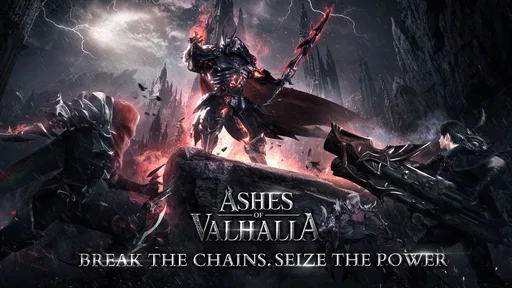
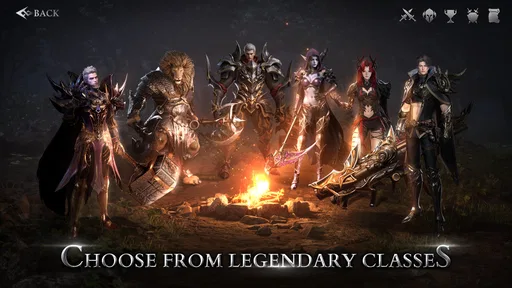
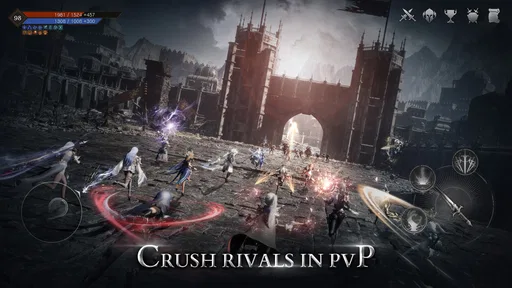
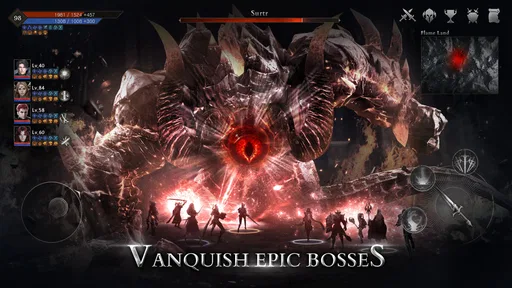
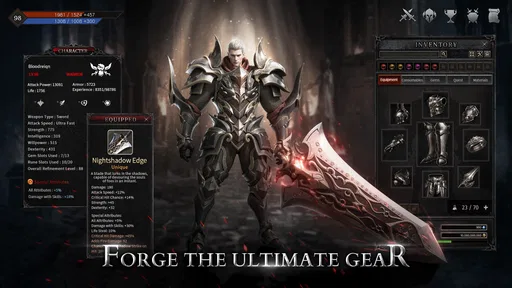
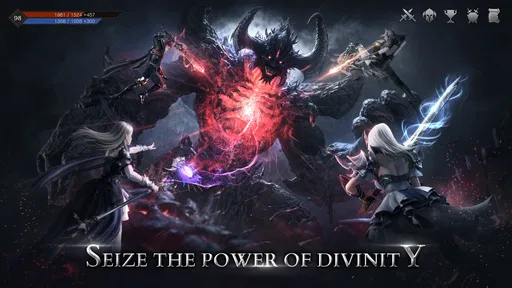
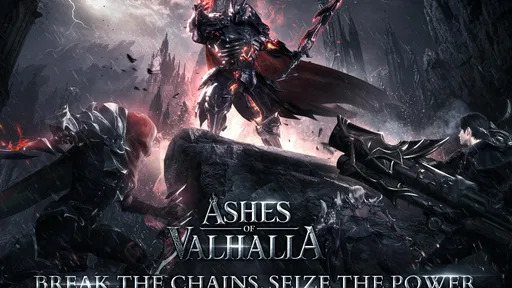
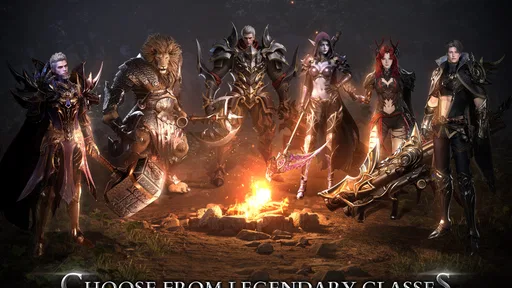
Our Review of Ashes of Valhalla
 Analysis by Appyee
Ashes of Valhalla caught my attention because it presents a role-playing adventure with a much harsher mood than the usual heroic fantasy. Its central idea is simple and memorable: you are not merely defending a mythical world, but pushing it toward ruin while trying to claim the power left behind. That gives the game a sharper identity than many mobile RPGs, although the darker premise also means it will not appeal to everyone.
After spending time with it, I see the strongest part of the experience in the first few sessions. The setting creates immediate curiosity, the progression feels easy to understand, and the free entry point makes it painless to try. The more important question, however, is whether that first burst of interest survives once the opening discovery has passed. My answer is cautiously positive: Ashes of Valhalla is worth keeping installed for players who enjoy returning to a dark fantasy RPG in short, regular sessions, but it is less convincing for anyone looking for a deep, endlessly absorbing role-playing world.
From a strong first week to a more demanding routine
I found that the game’s appeal changes once its opening atmosphere is familiar: the question becomes whether its regular progression still feels worth making time for. In this section, I look at how to keep those sessions deliberate rather than automatic, and why a clear stopping point can matter as much as a reason to return.
The opening appeal is atmosphere and clear purpose
In its first week, the game benefits from having a premise that is easy to remember. “Burn down Valhalla” is not a soft or mysterious objective; it immediately tells me that this is a destructive power fantasy rather than another straightforward rescue mission. That change in attitude affects how I read the world and makes the early progression feel more purposeful.
I also appreciated how approachable the basic role-playing loop feels. I could concentrate on understanding the character and the world instead of being buried under unfamiliar terminology from the first minute. For someone moving from casual mobile games into the RPG category, that accessibility is useful. The game gives enough structure to make progress feel intentional without requiring a long preparation session every time I open it.
The dark tone is another reason the opening works. It is not simply a decorative layer placed over a standard adventure. The idea of ashes, power, and the destruction of a legendary realm gives the experience a more aggressive personality. Players who enjoy morally grey fantasy or stories built around seizing power will probably connect with it faster than players who prefer cheerful exploration.
That said, the premise alone cannot carry a game for long. I noticed that the first sessions are naturally more exciting because every new element feels like part of the discovery process. The real test arrives when I already understand the broad direction and need a reason to return beyond curiosity. This is where the game’s routine matters more than its initial presentation.
What makes the first sessions easy to fit into a day
For everyday use, I found the game most comfortable when treated as a short-session RPG rather than a title demanding my entire evening. A quick play session during a commute, while waiting for an appointment, or after dinner can feel satisfying if I approach it with one modest goal. Trying to force a long marathon session is more likely to expose repetition and make the progression feel like work.
One practical habit helped me enjoy it more: I stopped opening the game without a plan. Before playing, I decided whether I wanted to advance, improve my character, or simply spend a few minutes in the world. This small distinction prevented the common mobile-game problem of tapping through activities without remembering why I started. It also made the game’s progress feel more personal instead of purely automatic.
The free price is important here. I can test the tone and pacing without making a financial commitment, which is exactly what I want from a game with a distinctive but potentially divisive premise. The Teen content rating is also a useful signal for families and younger players: this is not positioned as a gentle all-ages fantasy adventure, so parents should consider whether its darker themes suit the intended player.
Where the role-playing depth starts to matter
As the opening novelty fades, my enjoyment depends on whether I am making meaningful decisions or merely following the next available step. The best way to approach Ashes of Valhalla is to pay attention to how each improvement changes the way I play, rather than treating every reward as a number that must simply go upward.
That mindset reveals one of the game’s more useful trade-offs. Fast progression feels good, especially early on, but rapid upgrades can also make the journey feel less memorable if I never stop to consider what I am building. I got more value from choosing a direction and sticking with it for a while than from constantly chasing the newest improvement. This is a small but important distinction for anyone hoping to turn the game into a lasting hobby.
Players who want a traditional, story-heavy RPG with extensive exploration may find the experience lighter than expected. In that case, a premium role-playing game or a larger console-style mobile adventure may be a better fit. Ashes of Valhalla makes more sense for people who enjoy a focused fantasy loop, visible progress, and a darker premise that can be revisited in manageable portions.
The month-to-month question: does the habit hold?
After the first month, I would not judge the game by whether it still feels as surprising as it did on the first day. No mobile RPG can preserve that exact feeling indefinitely. I would instead ask whether it gives me a reason to return on an ordinary week when I am not especially excited. Ashes of Valhalla has a reasonable chance of doing that for players who like gradual character development and prefer a game they can check regularly rather than finish in a single burst.
The game’s current version is 1.3.1, and that matters less as a number than as a reminder that this is an evolving mobile release rather than a fixed one-time purchase. A changing game can gain value over time, but it can also make the experience feel dependent on continued attention. I would keep expectations practical: return because the core loop suits you, not solely because future updates might transform it into something else.
The audience response suggests that the game has already found a sizeable mobile audience. It has passed half a million installs, with an average rating of 4.6 from around thirty-two thousand ratings and roughly one thousand two hundred written reviews. Those figures do not guarantee that it will suit me personally, but they do indicate that the central concept is connecting with many players rather than disappearing immediately after release.
For month-to-month value, I think the key is consistency. If I enjoy checking progress, making small improvements, and revisiting the game’s destructive fantasy setting, it can remain a pleasant part of my routine. If I need constant new mechanics or a dramatic story revelation every time I play, the appeal will probably weaken much sooner.
A maintenance routine that keeps the game from becoming noise
Every ongoing RPG asks for a little maintenance, and this one is easier to manage when I separate useful play from habitual checking. I would rather open it with a clear purpose than repeatedly launch it just because it is installed. That approach reduces the feeling that the game is competing with everything else on my phone.
My preferred routine is simple. I play when I have enough attention to make a decision, review the character’s current direction, and stop once the session has achieved its purpose. I avoid spending resources merely because they are available, especially when I am unsure whether the upgrade supports the style I want. This is not a complicated strategy, but it protects the game from becoming a stream of meaningless chores.
Another useful tip is to treat optional spending as a convenience decision, not as a requirement for belonging in the community. The in-app purchase range runs from twenty-nine cents to ninety-nine dollars and ninety-nine cents per item. That is a very wide span, so I would be careful before buying anything expensive. New players should first learn whether the basic loop remains enjoyable without purchases; otherwise, spending money can disguise a lack of long-term interest rather than solve it.
Because the game is free, I also recommend setting a personal stopping rule before spending. For example, I might decide that I will play through the early progression and return for several separate sessions before considering a purchase. This gives me a better sense of recurring value than buying immediately during the excitement of the opening. It is especially sensible here because the first-week atmosphere is one of the game’s strongest selling points.
Where fatigue begins to appear
The biggest threat to long-term enjoyment is not the dark setting; it is repetition. Once I know the basic rhythm, familiar actions can lose their impact if they do not lead to a meaningful change in my character or understanding of the world. This is a common problem in mobile role-playing games, but Ashes of Valhalla’s dramatic premise makes the contrast more noticeable. A game about burning down a legendary realm should feel intense, and routine tasks can feel flat beside that promise.
I also think the game can be tiring for players who dislike resource management or incremental progress. Even when the atmosphere is strong, an RPG eventually asks me to make practical choices about how to use time and rewards. If I prefer direct action with little planning, a faster arcade game may be more satisfying. If I want elaborate party-building and highly detailed tactical control, a deeper traditional RPG may offer more lasting variety.
There is also a risk of confusing activity with progress. A busy session is not necessarily a valuable one. I found it better to notice whether I had made a decision I cared about than to measure the session by how many screens I had visited. This is one of the less obvious lessons of playing it: the game becomes more enjoyable when I impose a little structure on my own time instead of allowing the routine to dictate every visit.
The payment model can add another source of fatigue. A free RPG has to balance accessibility with ways to earn money, and players have different tolerance levels for that balance. I would skip Ashes of Valhalla if the mere presence of optional purchases makes me uncomfortable, or if I know I am likely to spend impulsively when progress slows. The game is best approached with a firm budget and the willingness to walk away from a purchase that does not clearly improve my enjoyment.
Who should keep it installed?
I would recommend it to mobile players who want a dark fantasy role-playing game with a strong central premise and enough progression to support regular short visits. It is particularly suitable for someone who enjoys the feeling of building power over time, likes destructive or morally complicated themes, and does not need every session to deliver a major story event.
It is also a sensible choice for newcomers to the category. The free entry point makes experimentation easy, while the role-playing structure provides more direction than a purely casual game. A player can discover whether the tone works for them without first buying a large premium title or committing to a complicated online ecosystem.
I would be more hesitant to recommend it to someone seeking a definitive, one-and-done RPG experience. If your ideal game has a carefully paced conclusion, extensive exploration, or a campaign you can complete without ongoing maintenance, a premium alternative may serve you better. The same is true for players who want a relaxing fantasy world rather than one built around ashes, conquest, and seizing power.
My long-term verdict on Ashes of Valhalla
SPGFun has created a game with a clear personality, and that is its greatest advantage. The premise is easy to remember, the dark fantasy mood gives the role-playing format a distinct edge, and the free price makes trying it a low-risk decision. I enjoyed it most when I played in focused bursts, made deliberate choices, and allowed the atmosphere to do more than the progression numbers.
Its lasting value is more conditional than its first-week appeal. The game earns a permanent place on my phone only when I treat it as a regular, manageable hobby rather than an endless source of novelty. Players who enjoy that rhythm can find a satisfying return loop here. Players who need constant surprises, a fully premium experience, or a large amount of narrative depth should look elsewhere.
With a 4.6 average and more than 500K installs, it has clearly attracted attention, but popularity is not the same as universal appeal. My own recommendation is to try it free, spend enough time to reach the point where the opening atmosphere is no longer doing all the work, and then decide whether the routine itself is enjoyable. If the game still feels purposeful after the ashes settle, it has earned its space; if it feels like a checklist, uninstalling it is the honest choice.
For me, Ashes of Valhalla lands as a promising mobile RPG with a memorable identity and a sensible place in a player’s rotation, provided that player accepts its limits. It is not the best option for every kind of role-playing fan, but it is specific enough, accessible enough, and atmospheric enough to deserve a fair trial.
Verdict
Strengths of Ashes of Valhalla
- Fast-paced combat feels responsive and satisfying.
- Valhalla-inspired visuals create a distinctive atmosphere.
- Character progression gives battles a rewarding sense of growth.
- Short play sessions make it convenient for mobile gaming.
- Enemy variety keeps encounters from feeling completely repetitive.
Limitations of Ashes of Valhalla
- Some difficulty spikes may frustrate players without upgraded gear.
- The interface can feel crowded on smaller phone screens.
- Progress may become slower after the early stages.
- Repeated combat objectives can reduce long-term variety.
- Battery use may increase during extended gameplay sessions.
Similar Picks in This Category
View All
Hair Dye
CrazyLabs LTD4.4

Monster High™ Beauty Salon
CrazyLabs LTD4.5

Bus Simulator - Bus Games 3D
Jima Apps4.4

Flight Pilot: 3D Simulator
Wildlife Studios4.1


Super Stylist Fashion Makeover
CrazyLabs LTD4.4
Frequently Asked Questions
What is Ashes of Valhalla, and what kind of game is it?
Ashes of Valhalla is a Viking-themed action and adventure game centered on combat, exploration, and Norse-inspired challenges. Players typically take control of a warrior, fight hostile enemies, improve their abilities, and progress through dangerous environments. Before downloading, keep in mind that the experience focuses more on fast-paced gameplay and atmosphere than on being a historically accurate simulation of Viking life.
Is Ashes of Valhalla free to download and play?
The game may be available to download without an upfront purchase, but the exact business model can depend on the platform and version you install. Some editions may include optional in-app purchases, advertising, or paid content. It is worth checking the store listing before installing, especially if the device will be used by children. Reviewing purchase settings and privacy permissions can also help avoid unexpected charges.
Can Ashes of Valhalla be played offline?
Offline availability can vary depending on the version and the features being used. Core gameplay may work without a constant internet connection, but online verification, advertisements, cloud saves, updates, leaderboards, or other connected services may require access to the internet. If you plan to play while traveling, test the game in airplane mode after installation rather than assuming every feature will remain available offline.
What devices are compatible with Ashes of Valhalla?
Compatibility depends on the operating system, device model, available storage, and the minimum version supported by the developer. Although the game may run on many modern Android or iOS devices, older phones and tablets could experience slower loading, reduced graphics quality, overheating, or crashes. Check the official store requirements and keep sufficient free storage available for the initial installation and future updates.
Does Ashes of Valhalla contain ads, in-app purchases, or mature content?
Before downloading, users should review the store’s age rating and the current monetization details. A Viking combat game can include fantasy violence, battles, weapons, and dark themes, while free versions may also display advertisements or offer optional purchases for upgrades, resources, or cosmetic items. The exact content can change through updates, so parents should use device-level purchase restrictions and supervision tools when appropriate.
Play our best games!


